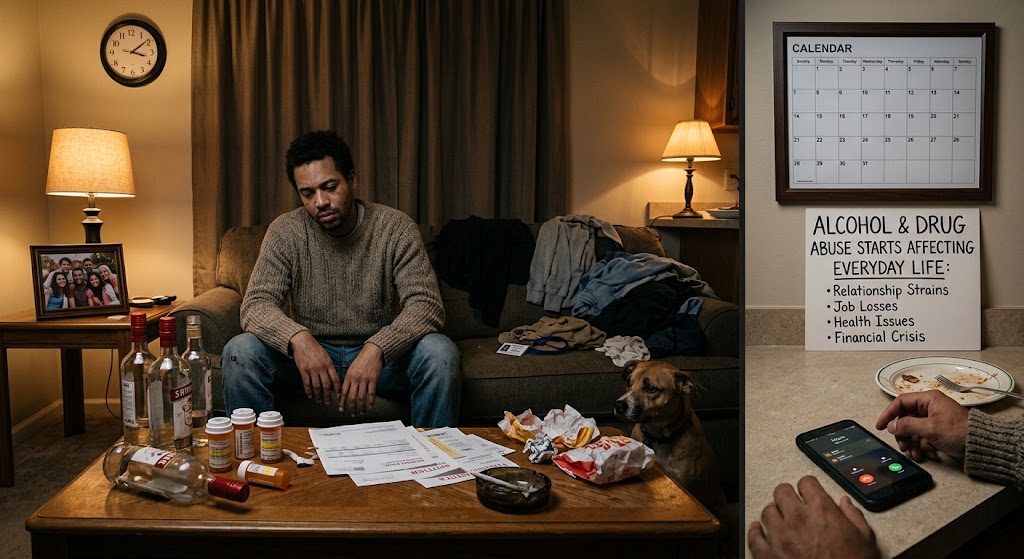
 Alcohol and drug abuse rarely continues for just one reason. What starts as occasional substance use can gradually become a deeply established pattern shaped by emotional distress, environmental triggers, learned habits, relationships, and changes in the brain and behavior. Over time, drinking or drug use may begin to feel like the quickest way to escape stress, numb painful emotions, manage anxiety, or simply get through the day. Understanding what keeps alcohol and drug abuse going is an important part of recovery because lasting change requires more than stopping substance use. It requires identifying the patterns behind it and learning healthier ways to respond.
Why Alcohol and Drug Abuse Can Become a Repeating Cycle
Substance use often provides an immediate effect. Alcohol may temporarily reduce feelings of tension, while certain drugs can create feelings of relief, energy, confidence, or escape. The problem is that these effects do not last.
As the effects wear off, difficult emotions or circumstances can return. A person may then use the substance again to regain relief. This creates a cycle that can become increasingly difficult to interrupt.
Temporary Relief Can Reinforce Substance Use
Consider someone who comes home after an overwhelming day and drinks to relax. At first, the behavior may seem manageable. If drinking repeatedly provides temporary relief, the brain begins associating alcohol with relaxation.
The same process can occur with other substances. Over time, the person may automatically think about using whenever a familiar source of stress appears.
This does not mean the person is choosing addiction in a simple or deliberate way. Repeated substance use can create powerful behavioral patterns that require meaningful support to change.
Common Triggers Behind Alcohol and Drug Abuse
A trigger is anything that increases the urge to use alcohol or drugs. Triggers can be obvious, but they can also be surprisingly subtle.
Emotional Triggers
Difficult emotions are common triggers. These may include:
- Anxiety
- Depression
- Anger
- Loneliness
- Shame
- Grief
- Fear
- Boredom
- Frustration
For some individuals, substance use becomes a way to avoid feeling emotions rather than processing them.
Learning to identify emotional triggers can help individuals understand what they actually need in those moments. Sometimes the underlying need may be rest, connection, reassurance, professional counseling, or a healthier way to manage stress.
Environmental Triggers
Places and situations can also become closely associated with substance use.
A particular neighborhood, bar, social group, celebration, workplace environment, or even a certain time of day can trigger cravings. Familiar surroundings can bring back memories and expectations associated with previous substance use.
Changing the environment during early recovery can therefore be an important part of creating stability.
Social Triggers
People can also influence substance use patterns. Friends or acquaintances who regularly drink or use drugs may make it more difficult to maintain recovery.
Pressure does not always have to be direct. Simply being around people who use substances can activate familiar habits.
Developing healthy boundaries and building relationships with people who respect recovery can provide valuable protection against these triggers.
How Habits Make Substance Use Harder to Stop
Addiction is not only about cravings. It can also involve routines that become automatic.
Someone may always drink after work, use drugs during a particular social activity, or turn to substances whenever an argument occurs. Eventually, the behavior may happen with little conscious thought.
Recognizing the Habit Loop
A useful way to understand these patterns is to look at three parts:
Trigger: Something creates an emotional or situational urge.
Behavior: The person drinks or uses drugs.
Reward: The substance provides temporary relief, pleasure, escape, or emotional numbness.
Recovery involves learning how to interrupt this sequence.
Instead of responding automatically, a person can learn to recognize the trigger and choose a different response.
Why Willpower Alone Is Often Not Enough
Many people struggling with alcohol and drug abuse have already tried to stop. They may have promised themselves, their families, or their partners that they would quit.
When substance use returns, they may feel ashamed or conclude that they are incapable of recovery.
That conclusion can be deeply discouraging.
Addiction often involves physical, psychological, emotional, and behavioral factors. Professional treatment can provide tools that go beyond simply telling someone to stop using substances.
Treatment can help individuals understand their patterns, identify triggers, develop coping skills, address mental health concerns, and create practical strategies for maintaining recovery.
The Connection Between Addiction and Mental Health
Alcohol and drug abuse frequently exists alongside emotional and psychological concerns. Sometimes mental health difficulties contribute to substance use. In other cases, ongoing substance use worsens existing symptoms or creates new emotional challenges.
Treating the Underlying Issues
If someone uses alcohol to cope with anxiety, simply removing alcohol without addressing the anxiety may leave them without an effective way to manage distress.
Similarly, someone using drugs to escape trauma or depression may need support addressing those experiences directly.
Mental health treatment can help individuals understand the emotions and experiences connected to their substance use. Counseling and other appropriate therapeutic approaches can provide healthier strategies for managing distress.
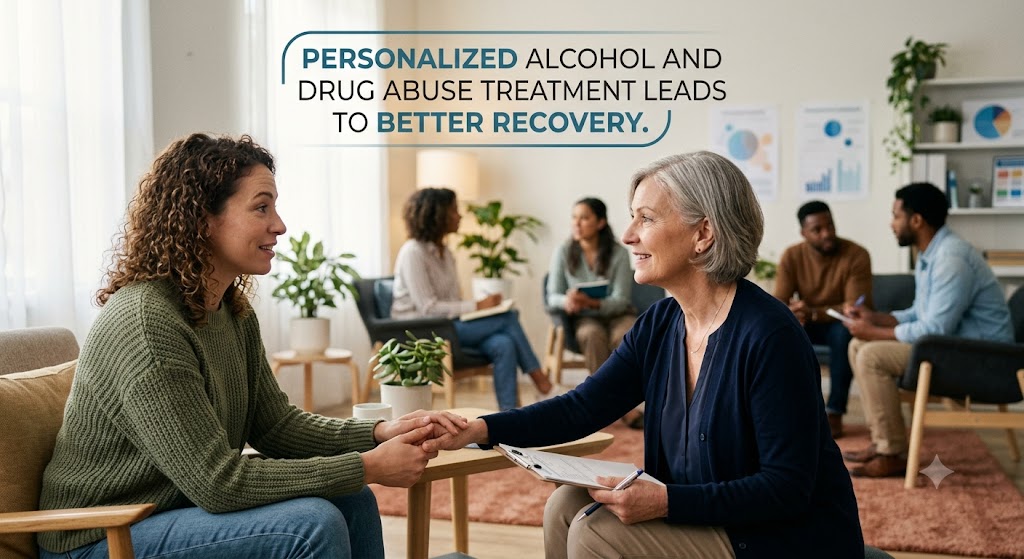
This is one reason individualized treatment matters.
How Inpatient and Outpatient Treatment Can Help
Different people require different levels of support. Treatment should reflect the person’s circumstances, substance use history, mental health needs, and recovery goals.
Inpatient Treatment
Inpatient care can provide structure and stability for individuals who need a more intensive treatment environment. Removing everyday access to familiar triggers can create space to focus on recovery.
Within a structured setting, individuals can begin establishing healthier routines while receiving professional support.
When withdrawal may pose health risks, professional assessment and appropriate medical supervision are especially important.
Outpatient Treatment
Outpatient treatment can provide ongoing support while allowing individuals to remain connected to work, family, school, or other responsibilities when clinically appropriate.
This setting can also provide opportunities to practice coping skills in everyday situations.
For example, someone may learn how to handle workplace stress without drinking, respond to family conflict without using drugs, or manage cravings while maintaining a normal daily routine.
Why Holistic and Faith Based Approaches Can Matter
Recovery involves more than avoiding substances. It also involves rebuilding a person’s overall quality of life.
Supporting the Whole Person
Holistic recovery may address physical health, emotional well being, relationships, lifestyle habits, personal values, and spiritual needs.
Healthy sleep, nutrition, physical activity, meaningful hobbies, stress management, and supportive relationships can strengthen the foundation of recovery.
These practices are most effective when they complement professional addiction and mental health care.
Finding Meaning Through Faith
For individuals whose beliefs are an important part of their lives, faith based recovery can provide another source of strength and purpose.
Spiritual practices may help individuals reflect on forgiveness, responsibility, identity, relationships, and the kind of life they want to build.
Faith does not have to be separated from clinical care. For those who value spirituality, it can become part of a broader and more personal recovery process.
Practical Ways to Start Breaking the Cycle
Understanding triggers is useful, but recognizing them is only the beginning. Recovery also requires practical strategies.
Keep Track of Your Triggers
Write down when cravings occur and what happened immediately beforehand. Look for patterns involving emotions, people, places, or situations.
Change High Risk Routines
If certain routines consistently lead to substance use, consider changing them. A different route home, a new evening activity, or spending time with supportive people can make a meaningful difference.
Build a Recovery Support System
Do not rely entirely on willpower. Identify people who can provide encouragement, accountability, and practical support.
Learn New Ways to Manage Stress
Explore coping strategies that address the underlying need. Exercise, counseling, prayer, meditation, journaling, creative activities, and meaningful social connection may provide healthier ways to manage difficult moments.
Seek Professional Help
If alcohol or drug use continues despite serious consequences, professional treatment may be appropriate. A qualified treatment provider can help determine what level and type of care best fits the individual’s circumstances.
Recovery Means Changing More Than the Substance Use
Breaking the cycle of alcohol and drug abuse is not simply about removing alcohol or drugs from someone’s life. It is about understanding what those substances have been doing for the person and finding healthier ways to meet those needs.
For one person, that may mean learning to manage anxiety. For another, it may involve processing trauma, rebuilding family relationships, developing boundaries, or discovering a sense of purpose.
That is why individualized treatment can be so valuable. Recovery becomes more sustainable when it addresses the person behind the substance use.
Taking the Next Step Toward Recovery
If you recognize a pattern of triggers, cravings, and repeated substance use in your own life, you do not have to figure everything out alone. Understanding why alcohol and drug abuse continues can be the first step toward changing the cycle.
Professional addiction recovery services can provide guidance while mental health treatment can address emotional and psychological concerns that may be connected to substance use. Depending on individual needs, inpatient or outpatient care can provide an appropriate level of structure and support. Holistic and faith based approaches can also become meaningful parts of recovery for those who value them.
Most importantly, seeking help does not require waiting until everything falls apart.
If alcohol or drugs are controlling your routines, relationships, emotions, or future plans, consider reaching out for professional support. With the right guidance and a treatment approach built around your individual needs, it is possible to understand the patterns behind substance use and begin building healthier ones in their place.